

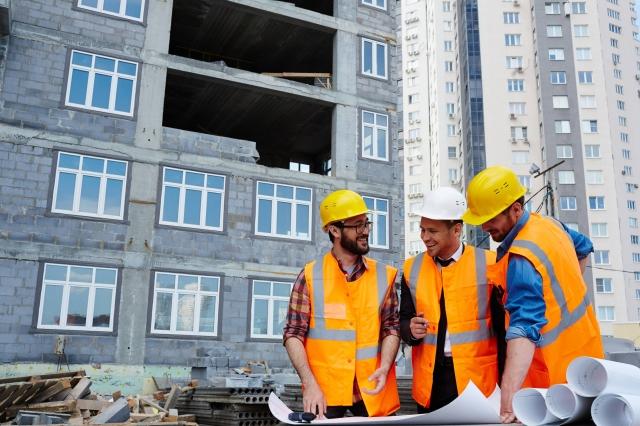
When the Cold Creeps In
Winter arrives quietly, but its impact on buildings is anything but gentle. Between freezing temperatures, relentless moisture, and biting winds, homes and commercial spaces face an annual test of strength. While most homeowners focus on heating systems and insulation, professional general contractors know that true winter protection lies in the details, the small, often overlooked methods that keep structures resilient through the coldest months.
From sealing invisible gaps to preparing materials for temperature fluctuations, winter proofing is both a science and an art. The best contractors have mastered techniques that go far beyond basic weatherproofing, yet few ever share them openly.
The Foundation of Real Winter Proofing
A strong building begins at its base. The foundation, often hidden from sight, is one of the most vulnerable components during winter. When groundwater freezes and expands, it exerts pressure against foundation walls, leading to small cracks that can grow over time.
Contractors safeguard against this by applying moisture barriers and ensuring proper drainage systems before the first frost sets in. Gravel backfill, perforated drainpipes, and sealants form the unseen armor that keeps basements dry and stable.
What homeowners rarely realize is that much of winter proofing depends on thermal insulation science, understanding how materials retain or lose heat. Concrete, brick, and wood react differently to temperature shifts, and contractors choose each material carefully based on local climate and soil conditions.
Secrets Hidden in the Structure
1. Sealing Air Leaks Before They Appear
Professional contractors use infrared scanners to detect hidden air leaks before winter begins. These scanners reveal invisible drafts around windows, doors, and electrical outlets. Sealing them early ensures balanced indoor temperatures and lower heating costs.
2. Attic Ventilation: The Unsung Hero
Most homeowners assume sealing the attic completely is best for warmth, but professionals know that controlled ventilation prevents condensation and ice dams. By balancing airflow, the roof stays cool enough to prevent snow from melting unevenly, one of the biggest causes of roof leaks.
3. The Art of Vapor Barriers
Vapor barriers are thin membranes placed behind walls or beneath floors to prevent moisture from seeping in. The secret lies in positioning, one misplaced layer can trap condensation inside walls, causing mold or insulation decay. Contractors study humidity levels before deciding where the barrier belongs.
4. Concrete Curing in the Cold
Winter concreting is no easy feat. When temperatures drop too low, concrete struggles to cure properly, resulting in weaker foundations. Experts add heating blankets, insulated forms, or even temporary shelters to maintain the ideal curing temperature, ensuring the concrete reaches its full strength.
5. Roof Maintenance Beyond Shingles
Before the first snowfall, skilled contractors inspect flashing, gutters, and ventilation outlets. They remove debris, apply protective coatings, and adjust insulation around the eaves. These measures prevent ice buildup and extend the roof's lifespan by several years.
The Science of Smart Insulation
Effective insulation goes far beyond stuffing fiberglass into walls. Today's professionals rely on layered protection, spray foam for sealing gaps, rigid boards for walls, and blown-in cellulose for attics. Each material plays a role in regulating indoor temperature and preventing moisture buildup.
One of the lesser-known tricks involves insulating plumbing lines that run near exterior walls. A single unprotected pipe can freeze and burst, flooding rooms and damaging flooring. Contractors wrap these pipes with foam sleeves or heat cables to ensure steady water flow, no matter how low the temperature drops.
Exterior Protection: A Contractor's Quiet Skill
Cold weather affects exterior materials more than most realize. Paint can crack, caulking can shrink, and siding can warp under rapid temperature changes. Contractors apply flexible sealants and weather-resistant paints that adapt to the season's shifts.
They also inspect the joints between brick and mortar, filling tiny gaps with precision. These small details keep wind and moisture out, preserving structural integrity through winter's worst storms.
Heating Efficiency Starts with the Build
True warmth comes not from turning up the thermostat but from building smarter. Contractors often design with passive heating in mind, positioning windows for sunlight exposure, using reflective barriers to retain heat, and adding insulation beneath floors.
Even HVAC systems perform better when installed with airflow science in mind. By minimizing thermal bridges (areas where heat escapes easily), experts ensure energy efficiency without sacrificing comfort.

How Professionals Prepare for Winter Projects
Winter construction demands strategy. Materials must be stored properly, schedules adjusted, and safety protocols enhanced. Contractors use temperature-controlled storage units to protect paints, adhesives, and concrete additives from freezing.
Worksites are equipped with temporary heating systems to keep materials pliable and workers safe. These behind-the-scenes efforts ensure consistent quality even when the temperature outside drops below freezing.
The Value of Expertise in Every Detail
While some homeowners try DIY winter proofing, the difference lies in experience. Professionals combine knowledge, precision, and the right tools to deliver lasting protection. They anticipate problems before they arise, from a vent placed too close to insulation to a drain line buried too shallow.
When it comes to maintaining warmth, stability, and safety, trusting experts is an investment that pays off for years to come.
Gorilla Building embodies that expertise. As Central Mississippi's leading specialty contracting company, they bring craftsmanship and innovation to every project. Tired of the stress that comes with building or remodeling? Gorilla Building is your solution. We're committed to helping commercial, residential, and industrial clients make confident decisions, avoid costly mistakes, and actually enjoy the construction process. We go beyond typical general contracting, offering a vast array of mastered services from custom luxury remodels and outdoor kitchens to critical infrastructure like concrete foundations, spray foam insulation, directional boring, metal buildings, and HVAC.
Whether it's a cozy home upgrade or a large-scale facility, Gorilla Building's experienced commercial contractors ensure that every structure stands strong against winter's toughest challenges.
Let Gorilla Building turn your winter worries into warmth, strength, and lasting comfort.
Frequently Asked Questions
Q1: What is the best time to winter proof a home?
Early fall is ideal. It allows contractors to complete insulation and sealing before temperatures drop.
Q2: Can new construction continue during winter?
Yes, with proper equipment and planning. Professionals use heated enclosures and cold-weather materials to maintain quality.
Q3: How often should roof inspections be done in winter?
Once before winter begins and again mid-season to check for ice buildup or leaks.
Q4: What are the most common cold-weather problems in homes?
Frozen pipes, poor insulation, roof leaks, and foundation cracks caused by frost expansion.
Q5: How can I tell if my home is properly insulated?
If you notice uneven room temperatures or high energy bills, it may be time to have a professional assess your insulation levels.
Warmth is not just a feeling, it's the result of preparation, precision, and expertise. Choose Gorilla Building and let your home stand tall against the cold.