

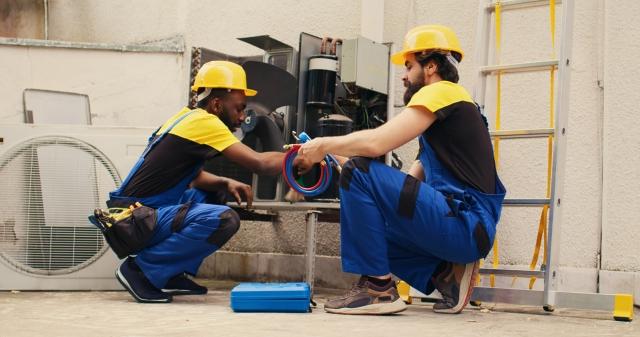
Choosing the right HVAC system is one of the most important decisions homeowners make. It directly affects comfort, energy bills, and indoor air quality. With countless brands and models available, the process can feel overwhelming. That's why working with experienced HVAC installation contractors can make all the difference in achieving the perfect balance of performance, efficiency, and longevity.
Let's break down the essentials you should consider before making your investment.
Understanding HVAC Systems
HVAC stands for heating, ventilation, and air conditioning. It is a system designed to regulate temperature, airflow, and humidity within your home, ensuring comfort all year round.
The right HVAC system goes beyond simply heating and cooling. It maintains air quality, supports energy efficiency, and contributes to your overall well-being. You can learn more about the science behind these systems by visiting heating, ventilation, and air conditioning for a detailed explanation of how they work together to maintain balanced indoor conditions.
Types of HVAC Systems
Every home has different structural layouts, insulation levels, and environmental conditions. That's why understanding system types is crucial before deciding.
1. Central Air Conditioning and Heating Systems
-
Most common in modern homes.
-
Uses a single system with ducts that distribute cool or warm air throughout the house.
-
Ideal for larger spaces needing even temperature control.
2. Ductless Mini-Split Systems
-
Great for homes without ductwork or for zoning needs.
-
Allows independent temperature control in each room.
-
Energy-efficient and simple to install.
3. Heat Pumps
-
Dual-purpose systems that both heat and cool using outside air.
-
Highly efficient in moderate climates.
-
Offers long-term cost savings through reduced energy use.
4. Hybrid Systems
-
Combines a furnace and heat pump for flexible energy efficiency.
-
Automatically switches between gas and electric based on temperature.
-
Excellent for regions with fluctuating weather patterns.
5. Geothermal Systems
-
Uses underground heat exchange for consistent temperature control.
-
Eco-friendly and highly durable, though installation costs are higher.
Factors to Consider When Choosing an HVAC System
Selecting the right HVAC system is about matching technology to your lifestyle and home environment. Here are the key aspects to keep in mind:
1. Home Size and Layout
An HVAC system must be properly sized. An undersized unit struggles to maintain temperature, while an oversized one cycles on and off too often, wasting energy. A professional contractor will perform load calculations to determine the correct capacity.
2. Energy Efficiency
Look for units with high SEER (Seasonal Energy Efficiency Ratio) and AFUE (Annual Fuel Utilization Efficiency) ratings. These indicate how efficiently a system operates. While efficient models may cost more upfront, they drastically reduce energy bills in the long run.
3. Climate and Location
Your local climate affects the best choice for your home. For humid regions, systems with superior dehumidification are ideal. In colder climates, heat pumps or hybrid systems work better.
4. Air Quality Features
Modern HVAC systems offer filters, purifiers, and humidity control to maintain healthy air indoors. This is essential if you live in an area with high pollution or allergens.
5. Noise Levels
Consider systems with sound-dampening technology if your HVAC will be near bedrooms or living areas. Silent operation improves home comfort without disturbances.
6. Maintenance and Longevity
Choose a system with accessible parts and reliable service availability. Regular tune-ups and filter changes will extend your system's life significantly.
Energy Efficiency: A Smart Homeowner's Priority
One of the most overlooked aspects of HVAC selection is long-term energy consumption. Systems that use variable-speed motors, smart thermostats, and zoning capabilities can reduce energy waste by adjusting operation based on demand.
Additionally, pairing your HVAC with proper home insulation can amplify energy savings. Good insulation ensures your HVAC doesn't overwork, maintaining ideal temperatures with less effort.
Common HVAC Mistakes Homeowners Should Avoid
Avoiding common pitfalls can save you money, time, and stress:
-
Ignoring System Size: Bigger isn't always better. Oversized systems waste energy and fail to dehumidify effectively.
-
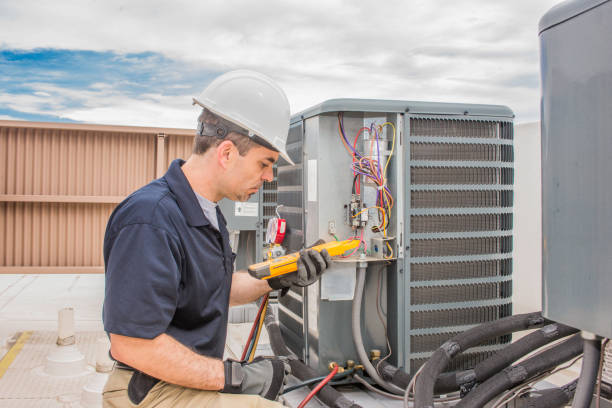
Skipping Professional Installation: A poorly installed system can reduce efficiency by up to 30 percent. Always rely on certified experts.
-
Neglecting Maintenance: Routine inspections prevent costly repairs and extend system lifespan.
-
Forgetting Airflow Checks: Duct leaks and blocked vents can make even high-end systems perform poorly.
The Role of Smart Technology in Modern HVAC Systems
Smart HVAC systems have changed how homeowners control indoor environments. Integrated with Wi-Fi thermostats and sensors, these systems learn your preferences and optimize heating and cooling automatically.
Features like remote monitoring and real-time performance alerts also help reduce maintenance costs. These innovations not only increase comfort but also align with sustainable living goals.
Installation and Professional Guidance
Choosing the right system is only half the battle. Proper installation and setup determine performance and durability. Experienced contractors can evaluate your home's structure, insulation quality, and duct layout before recommending a system.
Professional HVAC experts ensure your system runs efficiently and complies with energy standards. This guarantees comfort without compromising cost-effectiveness.
Why Choose Gorilla Building for Your HVAC Needs
Tired of the stress that comes with building or remodeling? Gorilla Building is your solution. We're Central Mississippi's leading specialty contracting company, committed to helping commercial, residential, and industrial clients like you make confident decisions, avoid costly mistakes, and actually enjoy the construction process.
We go beyond typical general contracting, offering a vast array of mastered services from custom luxury remodels and outdoor kitchens to critical infrastructure like concrete foundations, spray foam insulation, directional boring, metal buildings, and HVAC.
Whether you need expert system design or trusted spray foam insulation contractors to boost energy efficiency, Gorilla Building delivers precision, reliability, and quality you can feel in every room.
Experience comfort that lasts. Choose Gorilla Building today.
Frequently Asked Questions (FAQs)
1. What is the best HVAC system for small homes?
Ductless mini-split systems are ideal for smaller homes as they provide targeted comfort and excellent efficiency.
2. How often should an HVAC system be replaced?
Typically, every 10 to 15 years, depending on usage, maintenance, and build quality.
3. How do I know if my HVAC system is energy-efficient?
Check for ENERGY STAR certification and compare SEER and AFUE ratings. Higher numbers indicate better performance.
4. Can I install my HVAC system myself?
No. Proper installation requires technical expertise to ensure safety, efficiency, and compliance with building standards.
5. How can insulation improve HVAC performance?
Good insulation helps your HVAC maintain temperature more efficiently, lowering energy costs and increasing comfort.
Stay Cool. Stay Warm. Stay Comfortable with Gorilla Building.